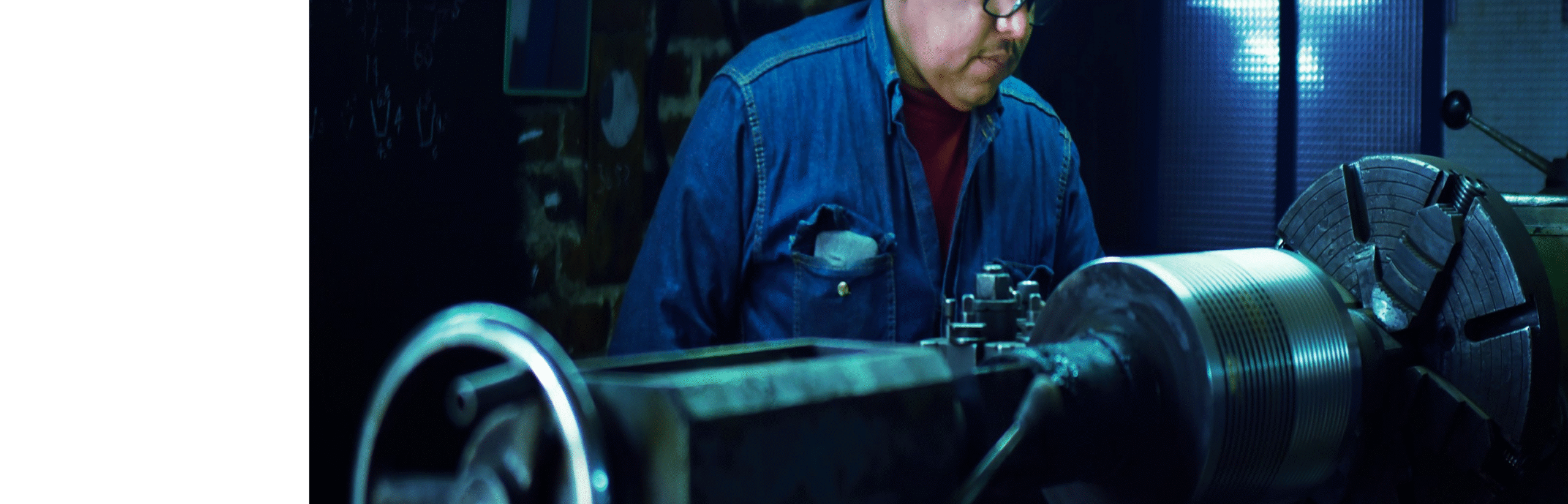
Chemical blacking process
Home > Our processes > Sulphuric Anodising

Sulphuric Anodising (commonly known as Type II or Type III)


What is Sulphuric Anodising?

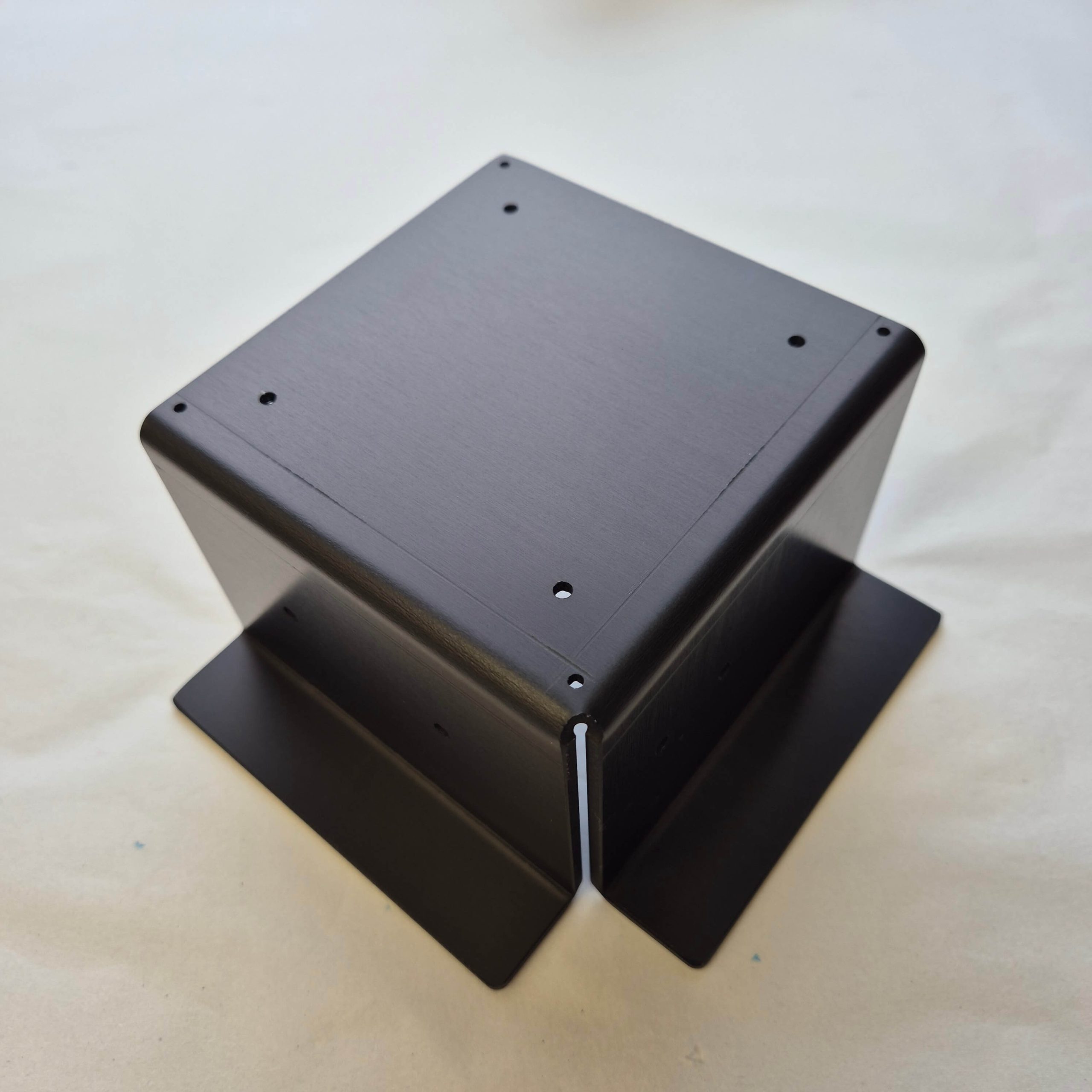
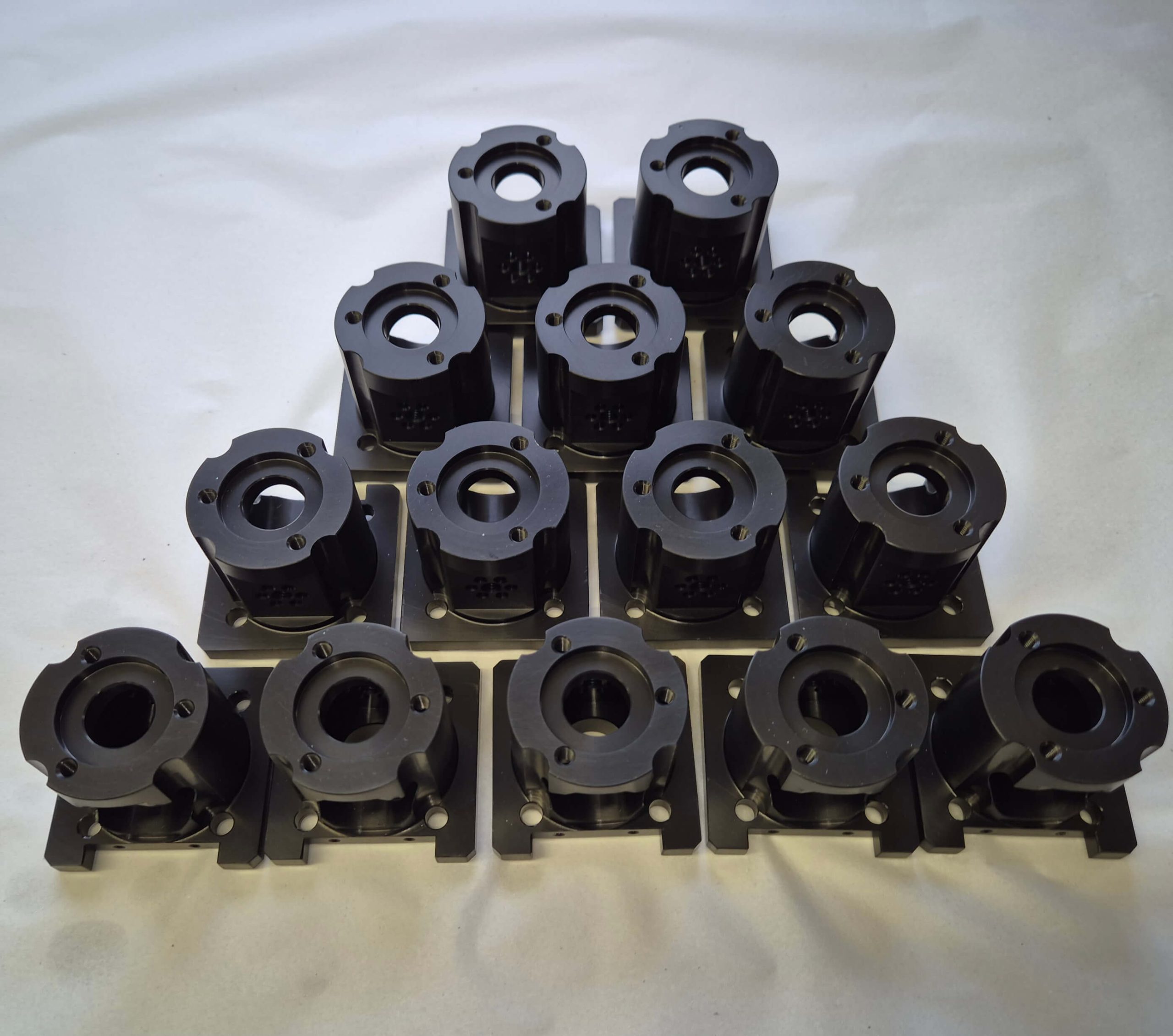
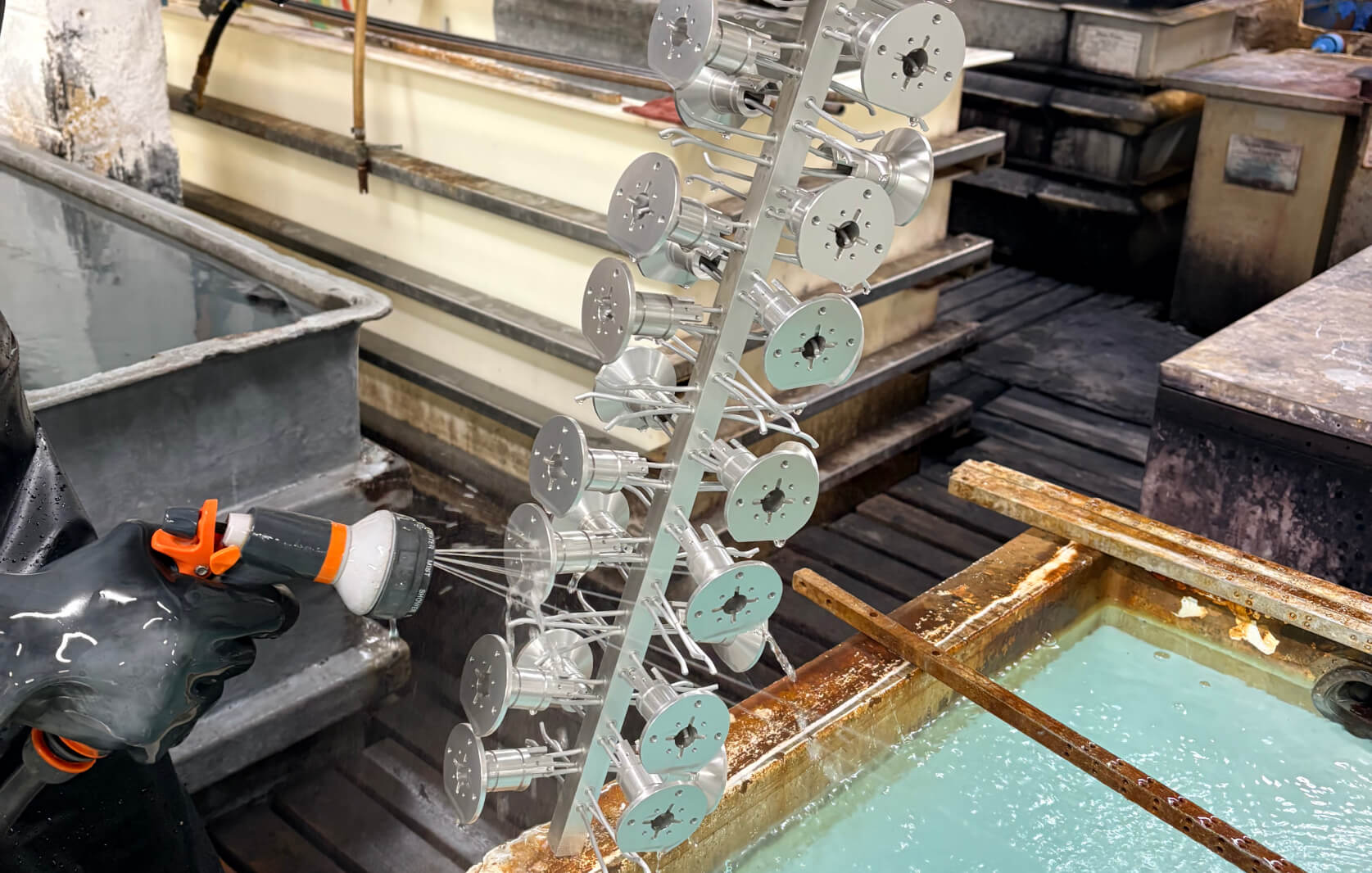
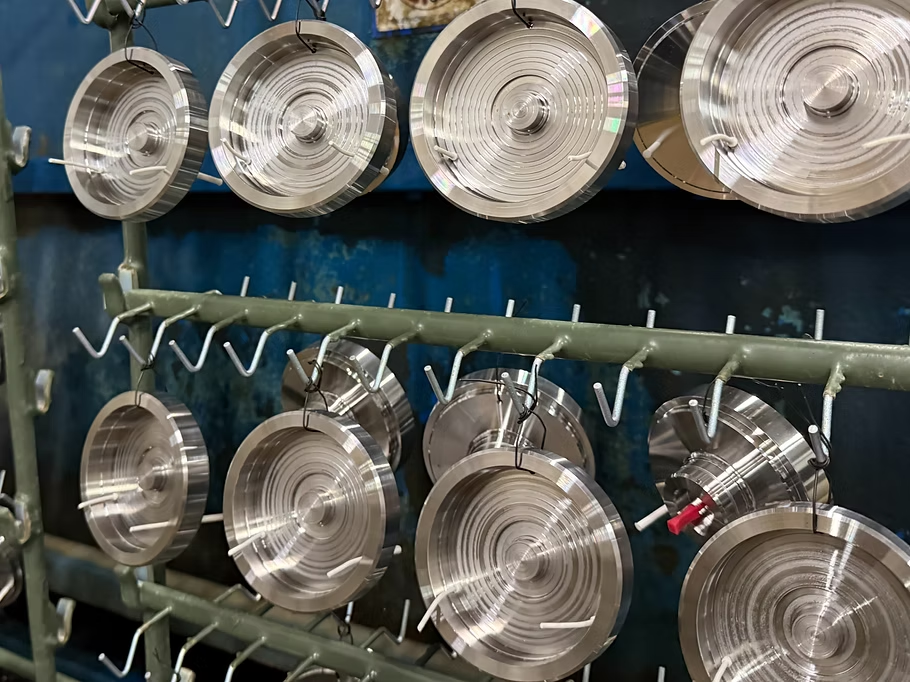
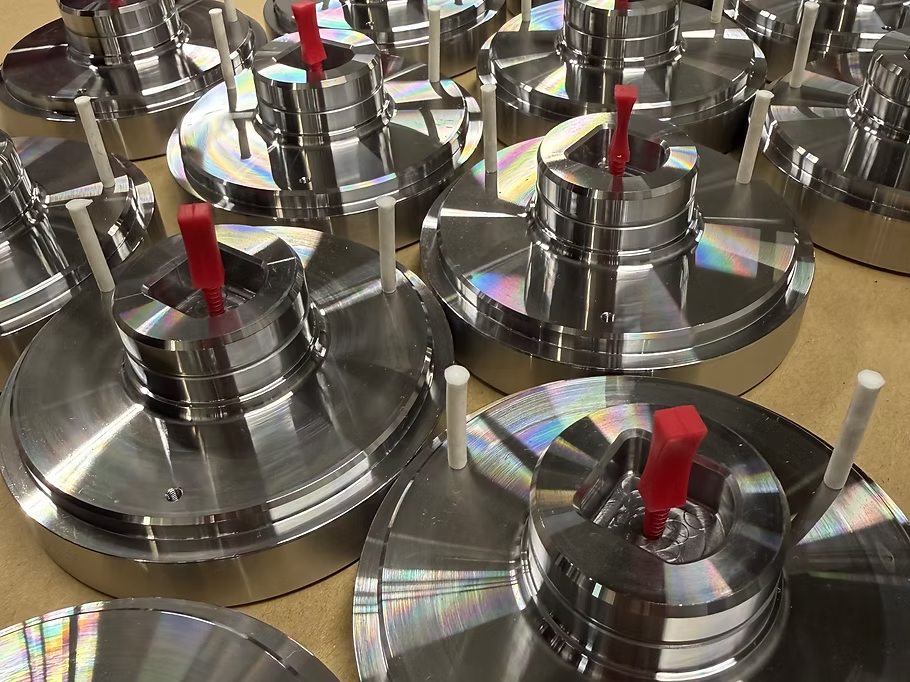
Sulphuric Anodising is an electrochemical process that converts the surface of aluminium into a durable, corrosion-resistant oxide layer. It enhances appearance, hardness, and protection while allowing coloured dyes or sealants to be added for improved performance or aesthetics.
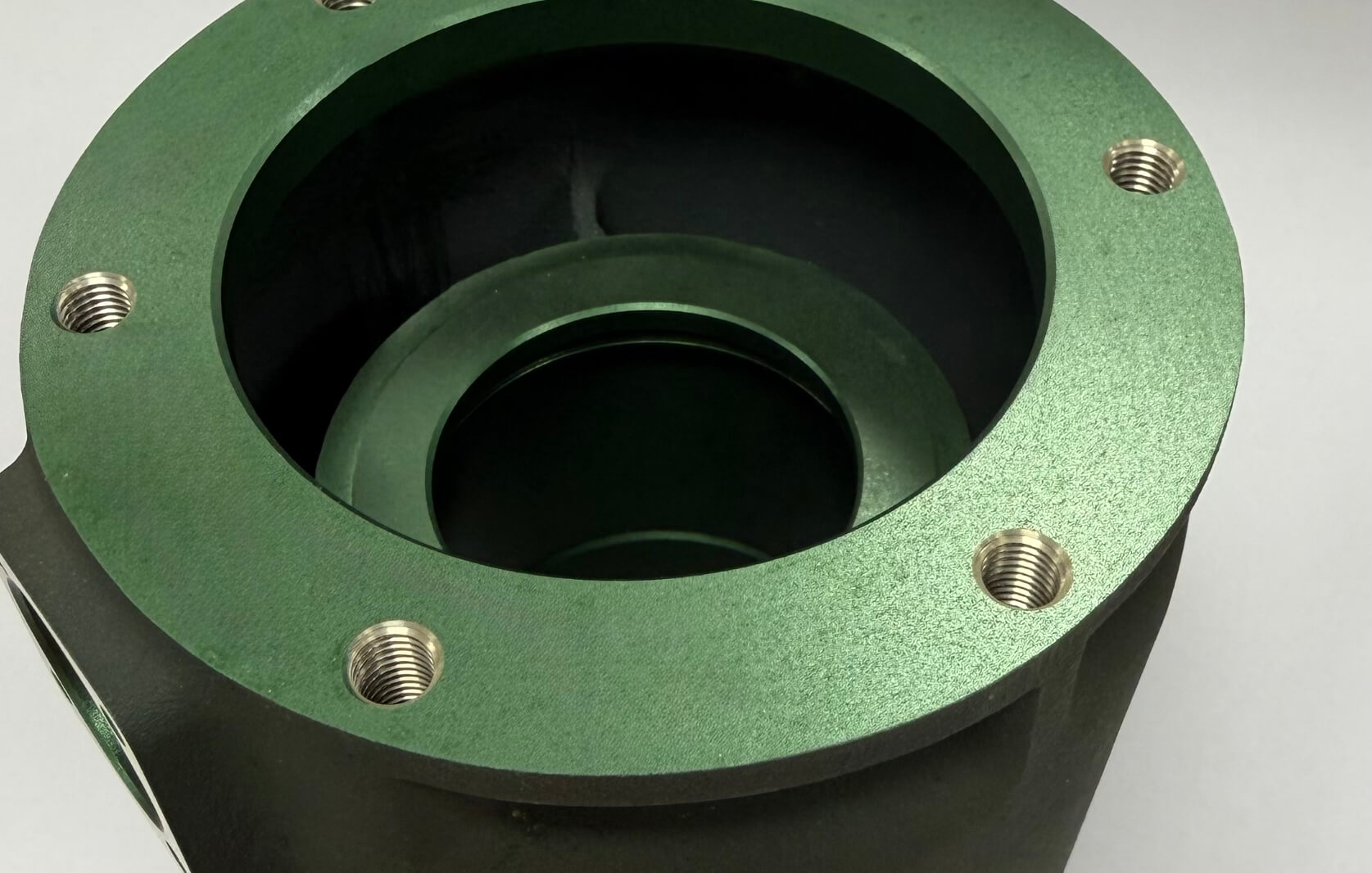
Where Sulphuric Anodising excels

Corrosion Protection

Creates a tough oxide film that resists wear, weathering, and chemicals.
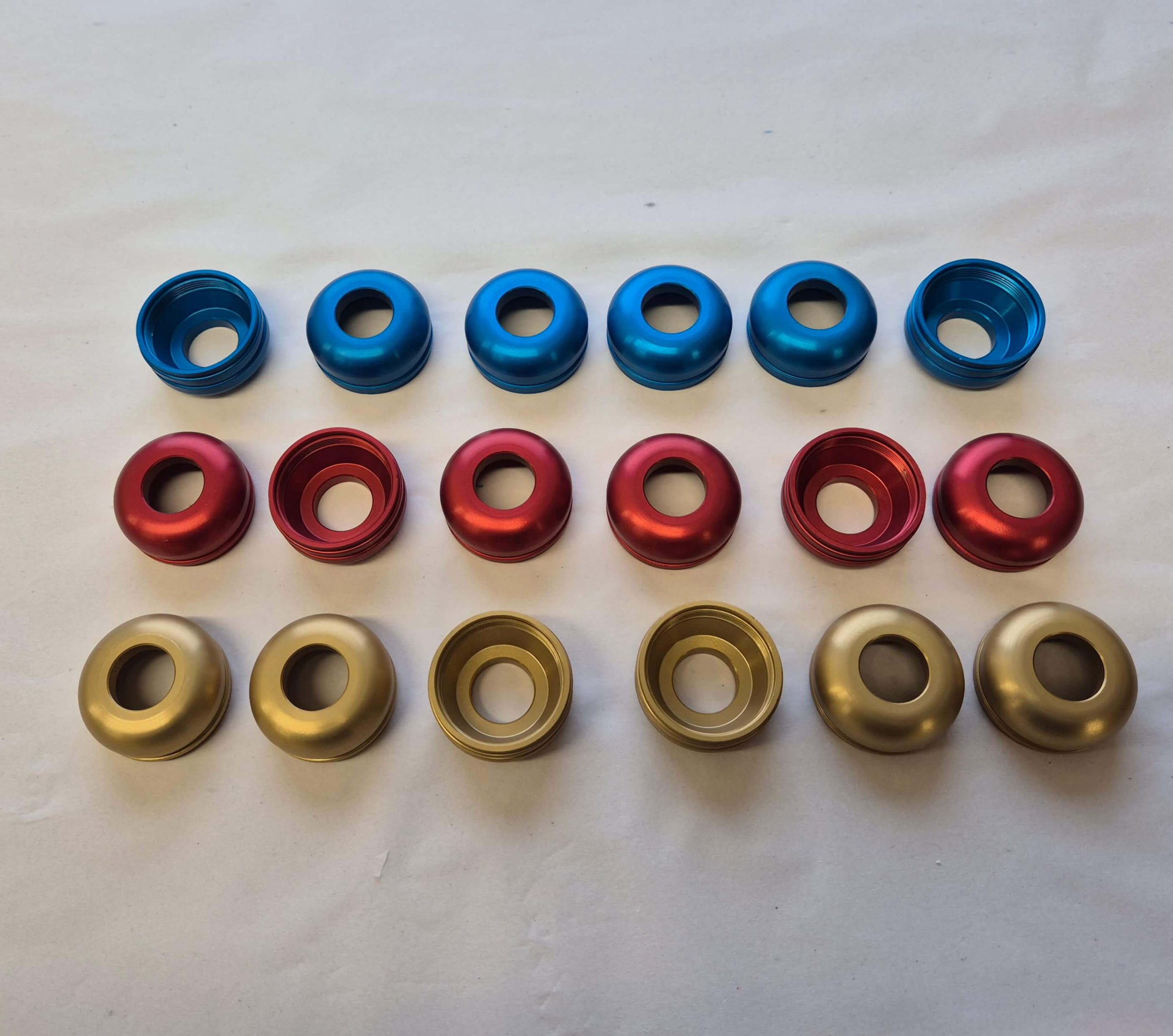
Decorative Finish

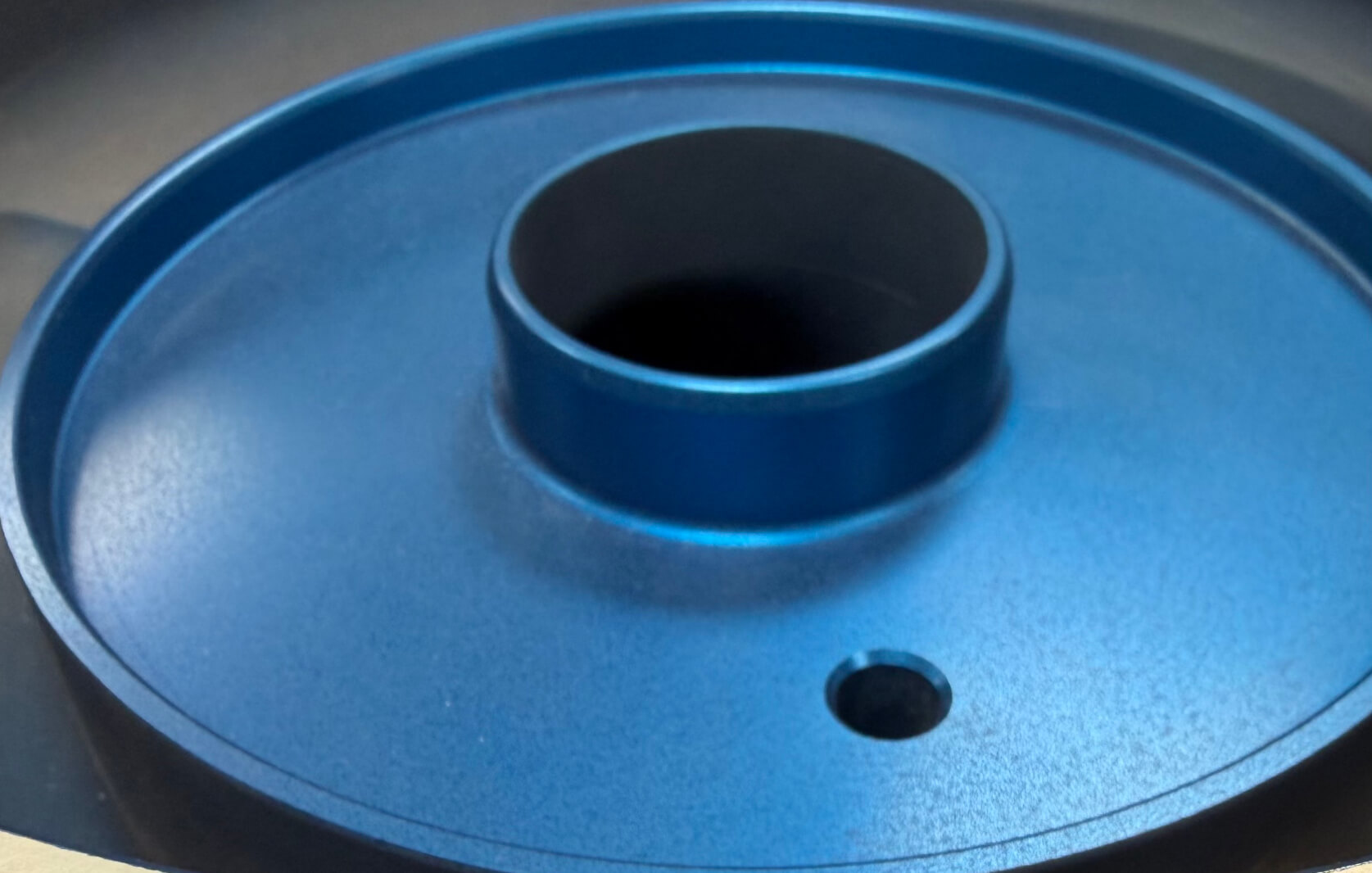
Can be left natural or dyed in a wide range of colours.

Durability

Increases surface hardness and scratch resistance.

Thickness Control

Typically, 5–25 µm; adjustable to meet different specification needs.

Electrical Conductivity

The anodic film is non-conductive.

Applications

Widely used in aerospace, automotive, architectural, and precision engineering industries.

Thin Film Sulphuric

Anodising Type II thin film is a common replacement for Chromic Anodise

More to explore

Fast access to key information, services, updates, and support.

Zinc finishing
Explore our processes

Discover the full range of specialist metal finishing treatments we provide across industries.

Alocrom - A protective chromate conversion coating
Latest news & insights

Read updates, insights, and stories covering our processes, capabilities, and expertise.

Two women talking
Speak to our team

Get in touch with our team for guidance, quotes, or help choosing the right finishing process.